This week spent in Toronto was special. Maybe it was the sunny weather before the arrival of autumn, or the city’s energy after the Blue Jays defeated the Yankees in the playoffs for the first time since 2016. Or maybe it was hearing from so many Canadian advisors who came up to me saying, “I read what you write.” Whatever the reason, this week reminded me why our community—and our conversations—matter.
Education Over Competition
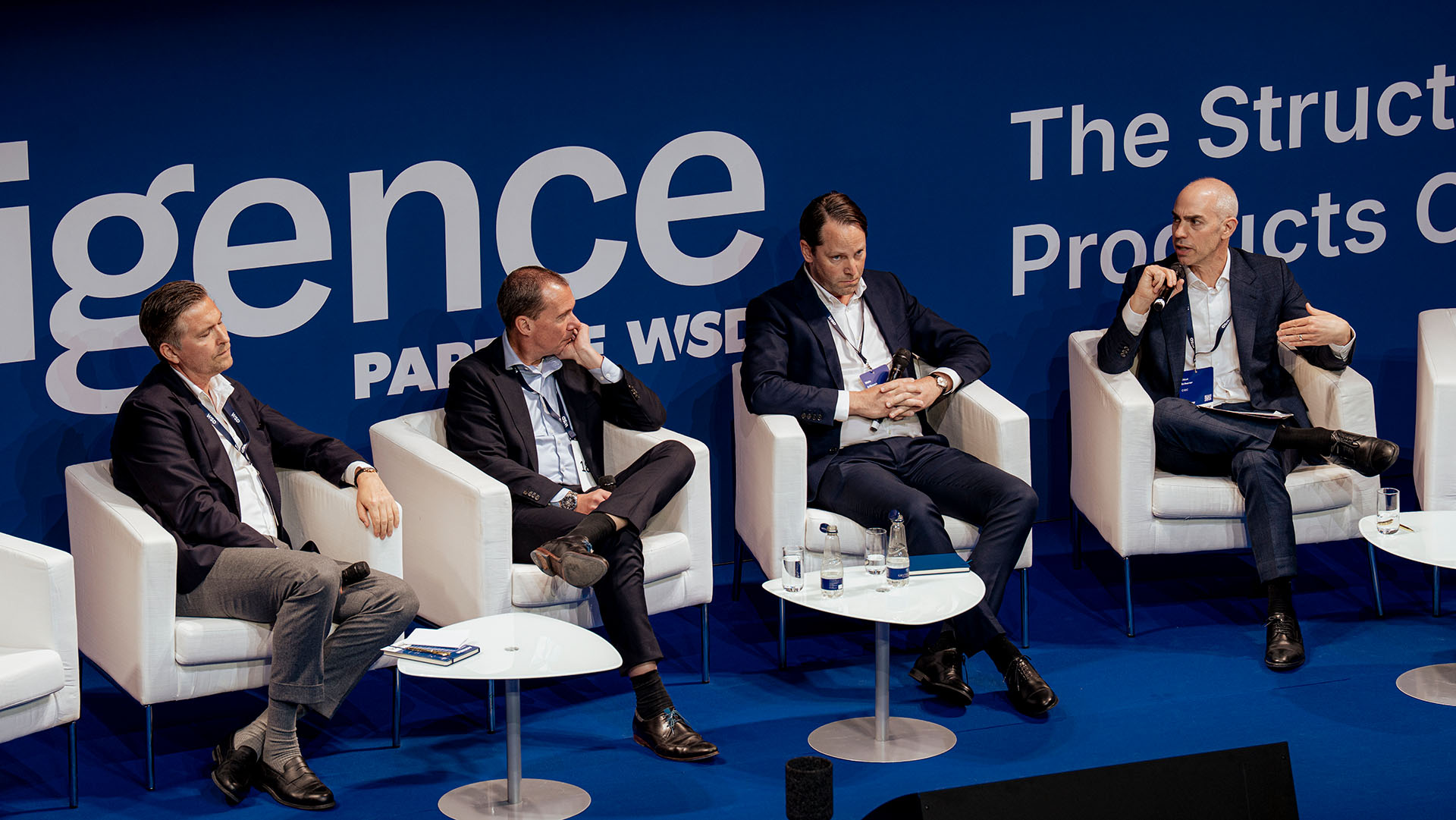
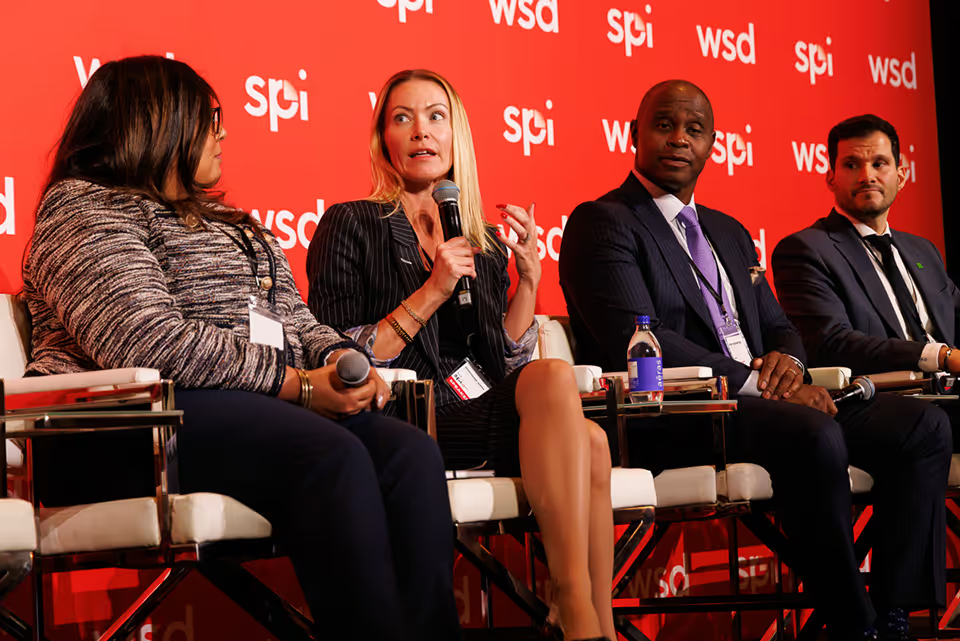
Seeing 310 people fill the ballroom of the Fairmont Royal York for a full day of education was inspiring. What made it even more remarkable was watching the seven major Canadian banks—BMO, CIBC, Desjardins, National Bank of Canada, Scotiabank, TD Securities, and RBC—set competition aside to focus on a shared goal: education.
At lunch, we introduced a new concept: “One Table, One Tough Question.” Eight questions were posed, from the future of products and digitalization to regulation, ESG, and innovation. Advisors debated, reflected, and collaborated without knowing the endgame—until we revealed it later. The exercise produced eight illustrations capturing what truly matters to advisors: better data, more transparency, platforms with live insights, ESG-aligned returns, and manufacturers who act like true “factories” of ideas and innovation.
Goal-Based Investing in Uncertain Times
The afternoon began with Martin Pelletier’s presentation, Goal-Based Investing: A Guide to Wealth Preservation and Growth in Uncertain Times. Martin offered a preview of his upcoming book and delivered one of the most practical sessions of the day. His discussion on the role of structured products in managing drawdowns hit home for many advisors—helping them refocus on clients’ long-term goals instead of short-term market noise.
Breaking Down Complexity
In “Structured Products 101”, our buy-side panel tackled one persistent challenge: simplifying structured products. What stood out was the generational shift. The new wave of advisors is embracing structured products not as exotic instruments but as income tools. Many admitted, with refreshing honesty, that they still manage notes in Excel—a reminder of the technological gap our industry must close.
Integration and Innovation
The dealers and manufacturers panel that followed focused on practical application—how to integrate structured notes into portfolios effectively. The growth in rollovers and adoption of PPNs underscored a maturing market driven by both advisor demand and client outcomes.
The Mechanics of Pricing
Maria Tihotchi from BMO then took the stage with a masterclass on pricing. She broke down the key drivers—volatility, interest rates, and dividends—while highlighting a truth many feel but rarely articulate: coupons are lower today and staying competitive means understanding the mechanics behind every note.
SPi Market Overview
Our SPi Market Overview showed a vibrant and expanding market. Year-to-date, structured products are up 29%, with average products delivering nearly 10% annualized returns. Yet, with pricing tightening, the need for sector rotation and diversification beyond Canadian equities is stronger than ever.
Looking Ahead: Technology, Service, and Scale
Our closing panel brought together leaders from the major Canadian banks. The mood was optimistic—bullish, in fact. Each institution emphasized its focus on technology and service enhancements for advisors, but there was also alignment on where the industry is heading: smarter tools, broader product sets, and stronger collaboration between manufacturers and distributors.
And then came the reveal of our “One Table” results—the tangible output of a day spent thinking collectively. The message was clear: advisors want more transparency, smarter data, and lower costs. They want manufacturers to act not just as product creators but as partners in problem-solving.
The Road to $100 Billion
If the market continues its current trajectory—growing at 29% year-over-year—our SPi estimate suggests Canada could surpass $100 billion in structured product sales by 2027. That’s not just growth—it’s transformation.
This week in Toronto proved that when competition pauses for collaboration, great things happen. The conversations were unstructured, yes—but the insights were anything but.