We started with axes
When I put axe throwing on the SPi USA agenda, a few people thought I'd lost it.
For some, it was their first time. For the most experienced, it was about improvement. I won't name anyone, but a few people who have managed barrier risk for twenty years could not hit a wooden board from four metres. Knock-in levels, it turns out, are easier to respect than a target.
Nobody lost a finger. Nobody breached a barrier. A good start.
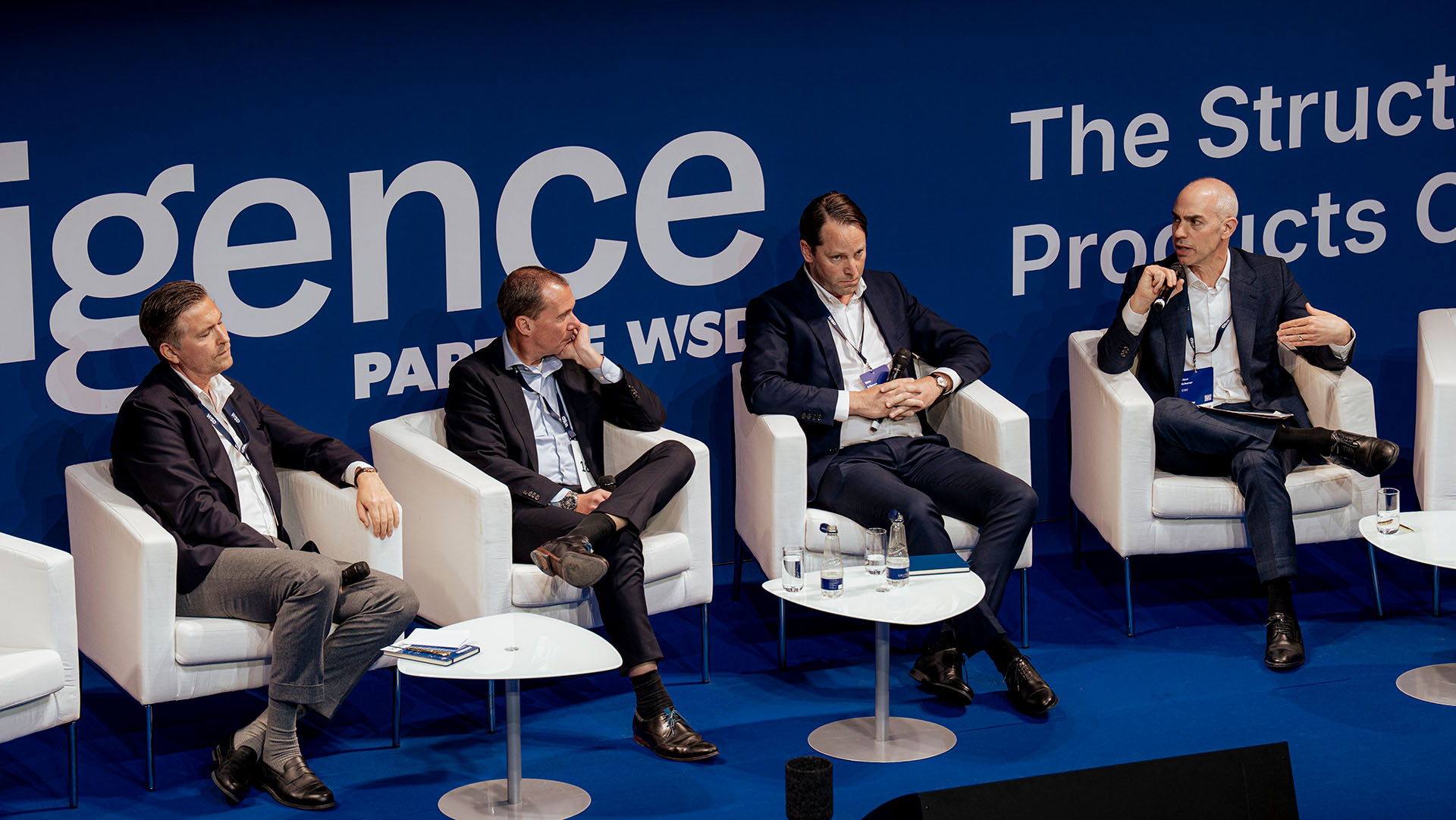
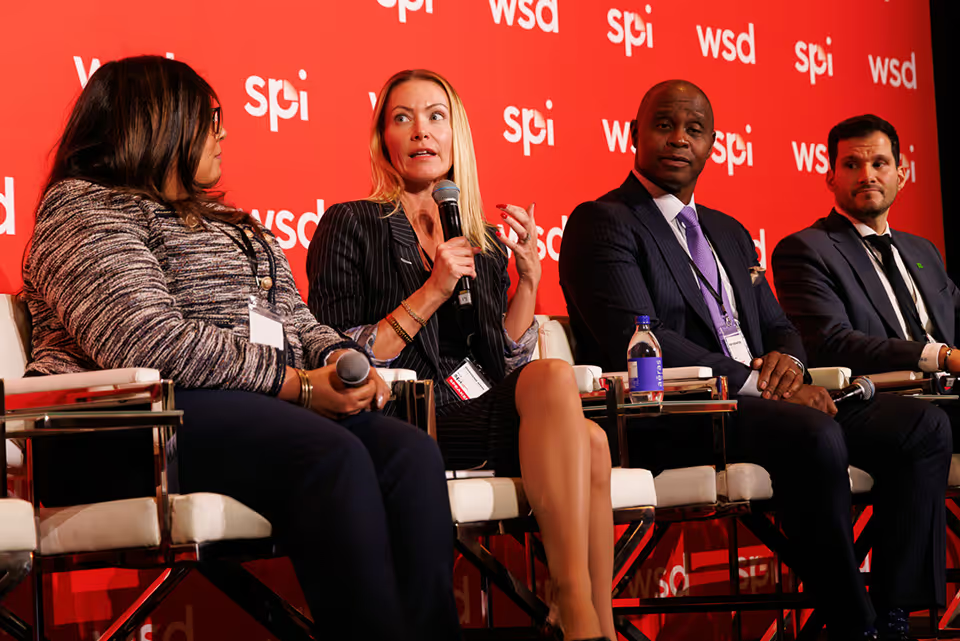
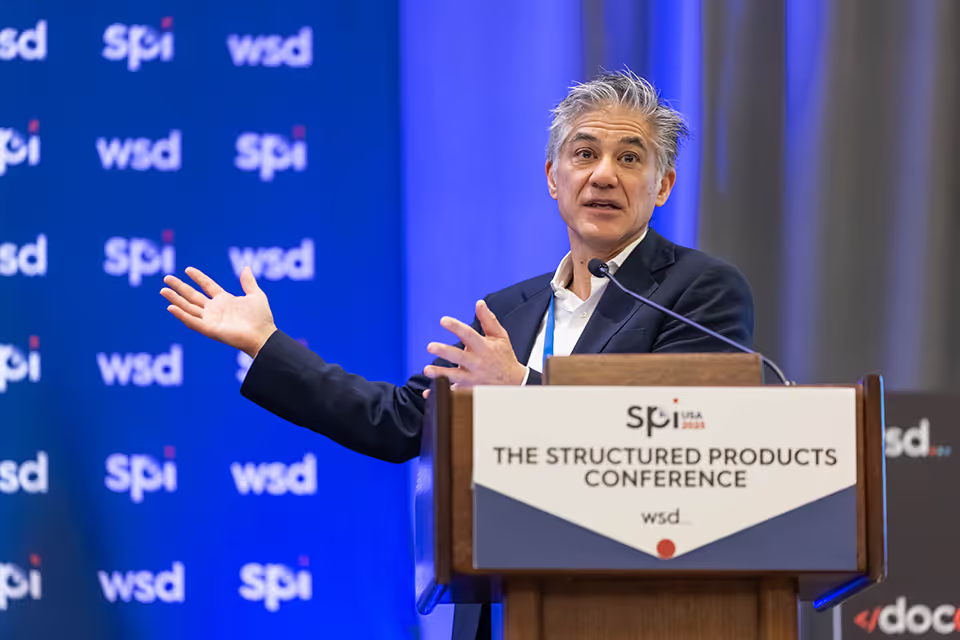
Then we sat down and talked about the market. This is what I heard. No names, because the best conversations in this industry happen off the record.
Demand isn't the problem
The numbers speak for themselves. USD 222bn issued in nine months, up 36.5%.
Structured notes now fund 38.9% of long-term debt at the top ten issuers, up from 32.7% in January. I've said it before and I'll keep saying it: this is not a niche product anymore. It is core bank funding. This is the golden age of structured products.
So the question in the room wasn't demand. It was capacity. Every note competes for balance sheet, and right now AI wants all the capital it can get. Distributors are already spreading flow across wider issuer panels. Nobody wants to depend on one bank in a year like this.
Clients are changing too. Capital protected is only 17.9% of volume and MLCDs just 1.4%, yet demand for protection, MLCDs and PPNs is rising. Callables are growing. After the run we've had, clients want to keep the gains, not double them.
Autocallables aren't going anywhere
The phoenix family is above 40% of volume. Our stress test shows barriers holding through a further 25% fall. So are the alternatives gaining ground?
Not yet. Advisers know the product. Customisation keeps it relevant. Distribution keeps growing. Familiarity is very hard to compete with.
But the October sell-off showed what breaks first, and it isn't the barrier. It's the call. Almost a third of tech volume is below its starting level and won't be called early. The client who expected their money back in a year may be in it for three. Better to have that conversation now than at the next observation date.
Structured ETFs: a bigger market, not a smaller one
Buffer ETFs hold USD 84.5bn, more than the USD 79.0bn in buffered notes. Autocallable ETFs, launched in 2025, already hold USD 2.43bn. And here's the part I like most: notes didn't shrink. The category expanded. It didn't rotate.
That means structured payoffs are reaching investors who never bought a note. That's great news for everyone in that room.
The panel's focus was on getting the next phase right. Consistent eligibility standards across notes and ETFs, so the same payoff gets the same care whatever the wrapper. Clear explanations of how decrement and vol-control indices work. Clarity on tax and disclosure. None of this slows the growth. It's what makes it last.
Everyone wants to talk about costs
If I had a dollar for every time someone said "costs", I could have issued a note with it.
The market is doing so well that everyone can now see what the plumbing charges: platforms, data, documents, access to advisers. At USD 300bn a year, a few basis points are not rounding errors. They are somebody's bonus.
The room was clear on the next step. RFQ is the next stage of automation. Pricing across a wide issuer panel still takes more manual work than a market this size should accept. Whoever makes multi-issuer RFQ fast, transparent and cheap will shape the next cycle.
Independent data came up too. My view hasn't changed: independence only has value if it stays independent. Tokenization? Everyone is watching it. Nobody is putting next year's budget on it.
£13,000 for the Charlie Landers Foundation
All day, teams raised money, including by paying speakers to slip words into their answers. Some did it beautifully. Others were less subtle, and the room enjoyed every second.
Together we raised £13,000 for the Charlie Landers Foundation. It was created in memory of Charlie Landers, who passed away after a courageous two-and-a-half-year battle with Ewing's Sarcoma, a rare and aggressive cancer that mainly affects children, teenagers and young adults.
The Foundation supports patients through its CL7 Comfort Kits, supports families, and funds research. It has raised more than $4 million, delivered over 1,000 Comfort Kits to more than 60 US hospitals, and allocated over $1.1 million to research. Its mission is simple: to honour Charlie's legacy and help strike out Ewing's Sarcoma once and for all.
Thank you to everyone who gave.
2027: a new record, just not another 36%
Let me be clear: 2027 will be another record. We estimate 2026 closes at around USD 296bn. For 2027 we forecast USD 312bn.
But that's 5.5%, not 36%. Nobody in Nashville expects 30%+ every year, and nobody should.
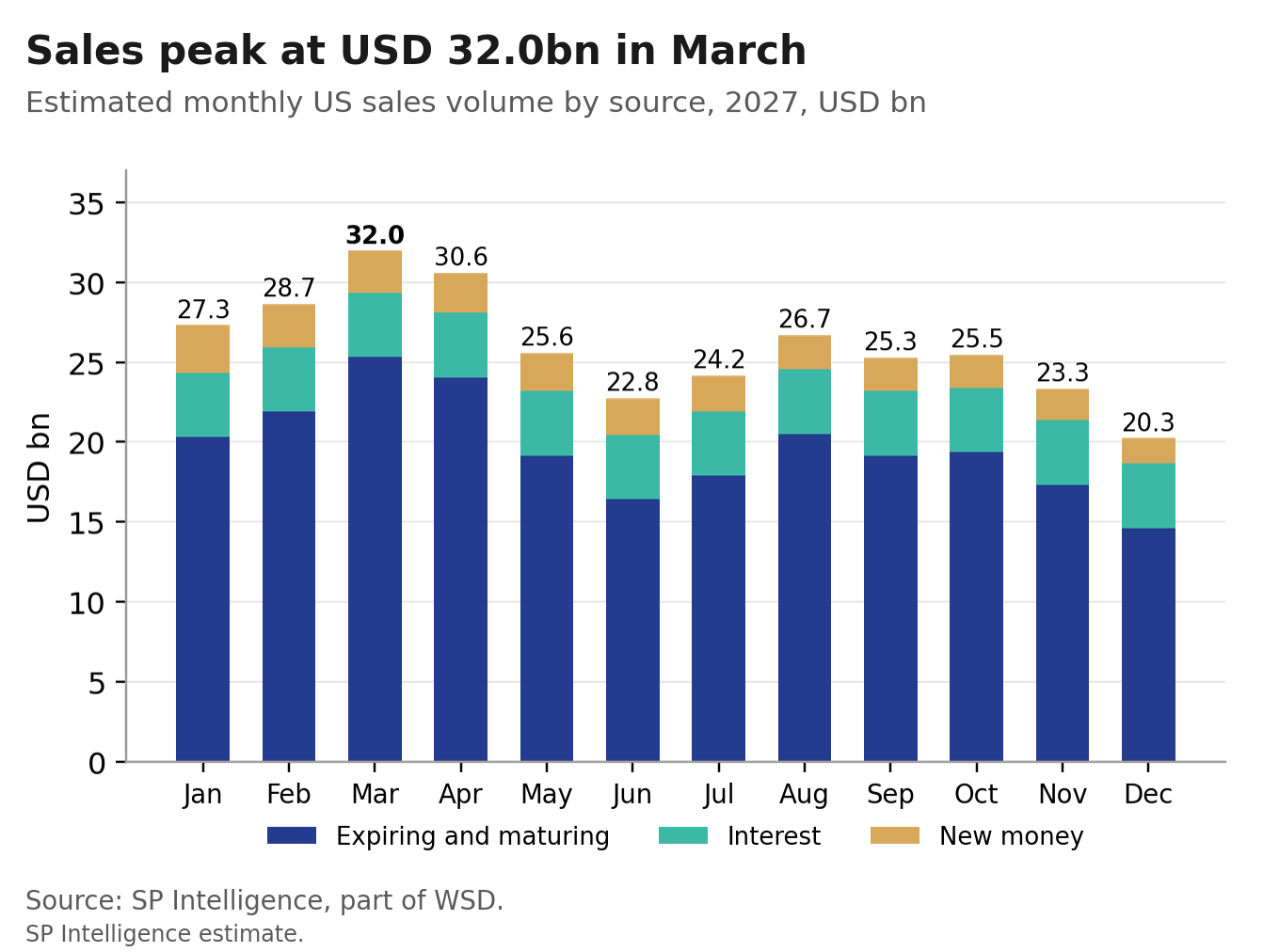
Reinvestment will supply 75.7% of 2027 volume, and equities are the swing factor. Watch rates and capital protection, AI and single-share concentration from NVDA to SPCX, the shift into index baskets, and international demand, with INDU and SX5E baskets at 2026 highs.
This market doesn't need to grow 36% to be healthy. It needs to reinvent itself: cheaper, more automated, more transparent. The good news is that everyone in that room seemed ready.
Some of them can even throw an axe now.